Tips for Creating a Relaxing Home Office Environment
Creating a relaxing home office environment is essential for maintaining focus, reducing stress, and improving your overall workday experience. Since many people now spend significant time working from home, having a dedicated, comfortable space can make a huge difference in productivity and well-being. Here are some practical tips to help you design a calming, inviting workspace right in your home.
Choose the Right Location
Find a Quiet, Undisturbed Spot
Select a part of your home where you can minimize distractions. Avoid high-traffic areas or places near noisy appliances. A corner in a spare room, a section of the bedroom, or even a niche in the living room can become a perfect spot if it is peaceful.
Consider Natural Light
Natural light helps reduce eye strain and boosts mood. Position your desk near a window if possible, but avoid direct glare on your computer screen. If natural light is limited, invest in good quality lighting that mimics daylight.
Invest in Comfortable Furniture
Ergonomic Chair and Desk
Comfort is crucial when you spend hours at your desk. Choose an ergonomic chair that supports your lower back and promotes good posture. Your desk should be at a height where your forearms are parallel to the floor when typing.
Personalize Your Setup
Add cushions or a footrest for extra comfort. Depending on your needs, a standing desk or adjustable desk converter can help vary your working position throughout the day.
Keep Your Space Organized
Declutter Regularly
A cluttered desk can cause distractions and increase stress. Keep only essential items on your workspace. Store paperwork, cables, and office supplies neatly in drawers or storage boxes.
Use Organizational Tools
Desk organizers, shelves, and filing systems help maintain order. Labeling containers or folders ensures you can quickly find what you need.
Create a Calming Atmosphere
Use Soothing Colors
Colors influence your mood and productivity. Soft blues, greens, and neutral tones often promote calmness and focus. Avoid overly bright or harsh colors for walls and furniture.
Add Plants
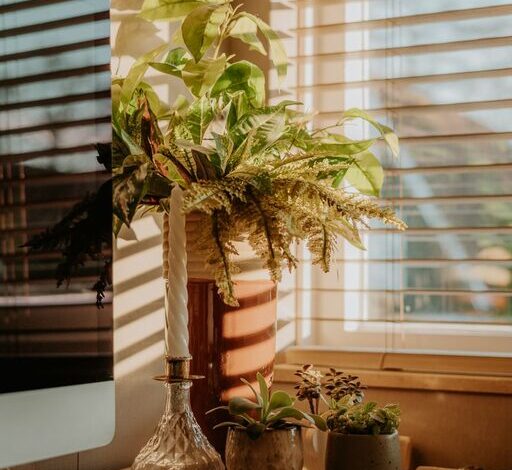
Indoor plants bring a touch of nature inside, improve air quality, and create a calming vibe. Low-maintenance plants such as succulents, snake plants, or pothos are great options for office spaces.
Control Noise
Sound can either enhance concentration or cause distractions. Consider noise-cancelling headphones or soft background music. If outside noise is a problem, using white noise machines or soundproofing can help create a quieter environment.
Prioritize Good Lighting
Layer Your Lighting
Combine natural light with ambient lighting and task lighting. A desk lamp with adjustable brightness helps reduce eye strain when working in the evening or in darker areas.
Avoid Harsh Overhead Lights
Fluorescent or overly bright ceiling lights can be tiring. Opt for softer bulbs or indirect lighting that creates a warm, inviting glow.
Add Personal Touches
Display Inspiring Items
Adding a few meaningful decorations like photos, artwork, or motivational quotes can boost your mood. Keep these items limited to avoid clutter.
Include Comfort Items
A cozy throw blanket, a scented candle, or a small essential oil diffuser can make your office more inviting. Choose scents known for relaxation, such as lavender or eucalyptus.
Establish Boundaries and Break Areas
Define Your Work Zone
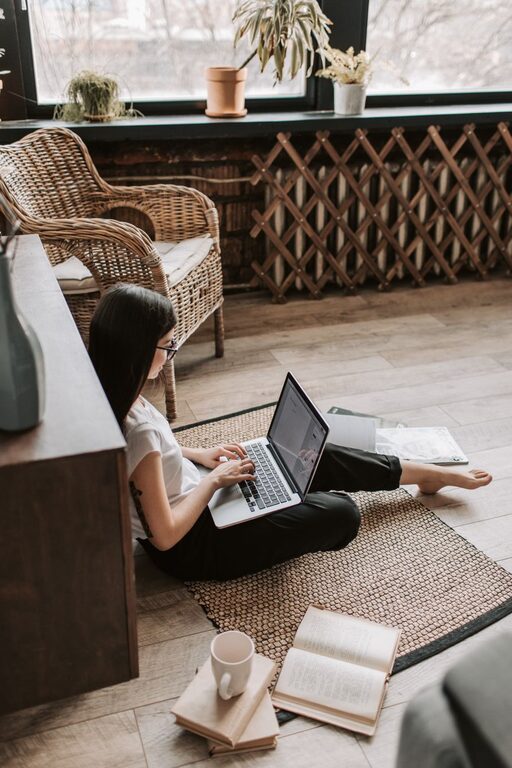
Especially if your office is in a multi-use room, using rugs or screens can visually separate your workspace from other areas. This helps mentally switch between work and relaxation modes.
Take Regular Breaks
Make space for short breaks away from your desk. Stretching or stepping outside for fresh air can refresh your mind and improve productivity.
Maintain Good Air Quality
Ventilation Matters
Good airflow prevents stuffiness and keeps you alert. Open windows when the weather allows or use air purifiers if needed.
Avoid Strong Chemicals
When cleaning or decorating, choose non-toxic products to avoid irritating fumes that can affect your comfort.
—
Creating a relaxing home office environment doesn’t have to be complicated. By selecting the right location, investing in comfort, organizing your space, and adding calming touches, you’ll create a workspace that supports your focus and well-being. Remember, the best home office is one that fits your personal needs and helps you feel calm and motivated throughout the day.